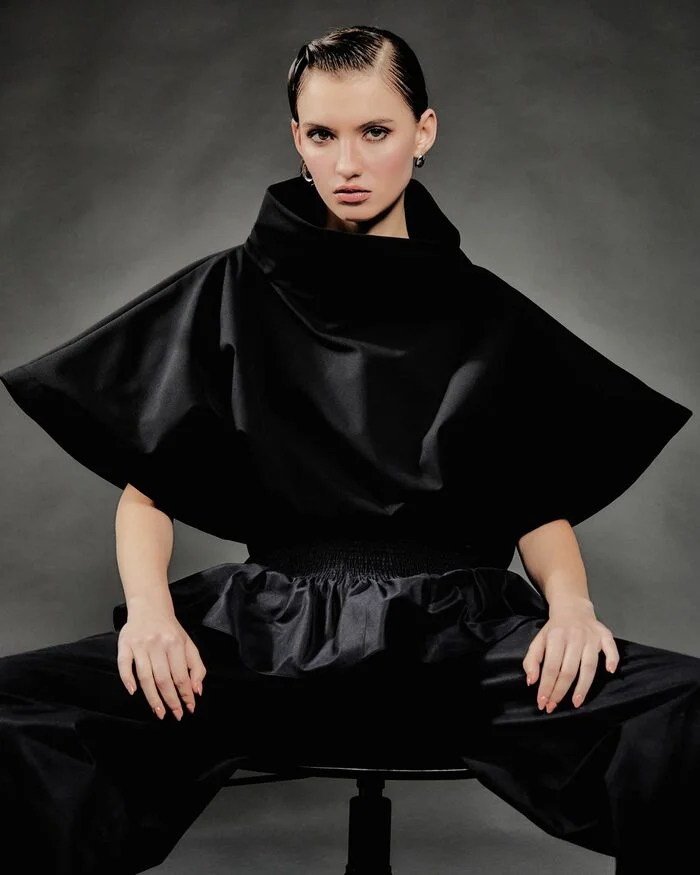

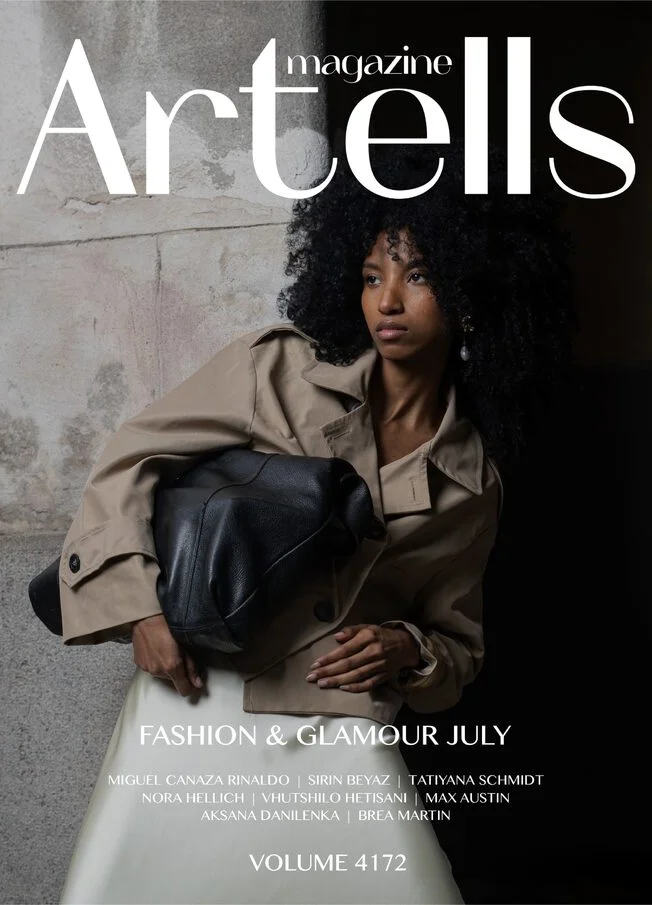
A fashion editorial is more than a collection of attractive clothes and technically polished photographs. It is a visual argument: styling, casting, location, light, movement and image order all work together to express one idea.
When a magazine reviews a submission, it is deciding whether that idea can become a coherent editorial feature. The checklist below will help you prepare the concept, files, credits and permissions an editor needs.
Always compare this guide with the requirements of the current call. A platform listing may set a different image range, deadline, theme or publication format.
Start with a concept that can be seen
An editorial statement should be clear enough to guide the team and flexible enough to create visual variation.
“Modern elegance” is a mood, but it is not yet a complete concept. What makes the elegance modern? Is it expressed through architecture, movement, proportion, casting, colour, construction or contrast?
Before the shoot, write the idea in two sentences:
- What is the story about?
- Which visual decisions will make that idea visible?
This short statement can later become the submission description.
Strong concepts do not always need elaborate production. A simple idea executed consistently is usually more useful to an editor than several unrelated ideas forced into one series.
Check the publication's fashion language
Study recent Artells Fashion editorials and the broader Webitorial archive. Look beyond individual images.
Notice:
- how many looks a story develops;
- whether the styling is commercial, couture, minimal or experimental;
- how beauty and hair support the clothes;
- the balance between full looks, portraits and details;
- how location and lighting contribute to the concept;
- how the sequence changes pace.
The goal is not to copy published work. It is to understand the editorial context and submit something recognisably yours that can still belong in the magazine.
Build a coherent team
Fashion photography is collaborative. The strongest submissions usually show that the team was working towards the same idea.
Define responsibilities before the shoot:
- photographer: visual execution and final image delivery;
- stylist: fashion direction, looks and wardrobe records;
- model or talent: performance and agreed use of likeness;
- makeup and hair: beauty direction and continuity;
- creative director: concept and overall visual system, where applicable;
- retoucher: final consistency and technical preparation;
- assistants: production, lighting, styling or digital support.
Confirm how every contributor wishes to be credited. Do not assume that an Instagram handle is the preferred publication name.
Give the styling a point of view
Editorial styling should contribute to the story rather than simply display available clothes.
Look for:
- a deliberate silhouette or proportion;
- progression between looks;
- colour relationships;
- texture and material contrast;
- accessories that support the concept;
- enough garment visibility for a fashion publication;
- accurate designer and brand information.
Avoid adding a look only because it was available on set. If it introduces a different visual language, it can weaken the entire series.
Maintain a wardrobe log during the shoot. For each look, record garments, designers, shoes, jewellery and accessories. Photograph the rack or styling board if that helps the team verify credits later.
Shoot for a magazine layout
A useful editorial gives the designer options.
Depending on the concept, consider:
- a strong opening image;
- full-length frames that establish the look;
- medium compositions;
- portraits and beauty details;
- horizontal images or negative space suitable for a spread;
- movement and stillness;
- a closing frame with a clear sense of conclusion.
Variation should not become inconsistency. A sudden lighting style, unrelated location or completely different retouching treatment can make the story feel unfinished.
Leave practical room for cropping where possible. An image that only works with every edge untouched may be difficult to place in a print or responsive digital layout.
Edit for rhythm, not volume
More images do not automatically make a submission stronger.
Start by removing:
- near-duplicate poses;
- repeated expressions;
- frames with weaker garment visibility;
- technical outliers;
- images that require a long explanation to belong;
- a second concept that never develops.
Then sequence the remaining work. A fashion story often benefits from a clear opener, visual development, changes of scale and a deliberate ending.
The general Artells website guideline is a cohesive series of 4–12 fully retouched images. The exact current call may request a different number, so follow the platform listing.
Prepare the files correctly
For the general Artells guideline:
- format: JPG;
- colour profile: sRGB;
- portrait recommendation: 2550 × 3300 px;
- landscape-spread recommendation: 5100 × 3300 px;
- resolution: 300 dpi.
Before exporting:
- check skin and garment retouching at 100%;
- preserve intentional texture;
- remove sensor dust and accidental marks;
- keep colour and black levels consistent;
- inspect hands, jewellery, hair edges and transparent fabrics;
- check that logos, artwork and locations do not create unresolved rights problems;
- avoid excessive compression;
- avoid unnecessary upscaling.
Use clear sequential filenames such as:
editorial-title_01_photographer.jpg
The exact Kavyar or Artells Media listing controls if it differs from the general guideline.
Prepare complete credits
Create a clean text document containing:
- editorial title;
- short concept;
- photographer;
- model and agency;
- stylist;
- makeup artist;
- hair stylist;
- creative director;
- retoucher;
- assistants;
- designer and wardrobe credits by look;
- any additional contributor.
Check spelling, capitalisation and handles before uploading.
Credits supplied by the submitter are used for publication. A missing or inaccurate credit can affect several people, so treat the credit sheet as part of the final delivery.
Confirm releases and permissions
Before submission, the submitter must have authority to provide the work for editorial consideration and publication.
Keep:
- written authority from relevant copyright holders;
- a written model release from every identifiable person;
- a separate written parent or official-guardian release for every identifiable person under 18;
- location, property, artwork or designer permissions where required.
Signed originals must be stored securely and provided if requested.
Sexualised, nude, partially nude, sexually suggestive or sexually provocative material involving anyone under 18 is prohibited by Artells without exception.
Read the full Submission Terms and Privacy Policy before submitting.
Write a useful fashion editorial pitch
Keep the pitch concise.
Include:
- story title;
- category: fashion editorial;
- two- or three-sentence concept;
- number of images and looks;
- key team credits;
- publication or exclusivity status where relevant;
- confirmation that credits and releases are available;
- your contact details.
Avoid describing the story only with generic adjectives such as “stunning”, “iconic” or “unique”. Explain the actual visual idea.
Understand editorial review
Following every technical rule improves the submission, but it does not guarantee acceptance.
Editors also consider:
- fit with the magazine;
- fit with a particular issue;
- similarity to work already selected;
- strength of the sequence;
- production readiness;
- available layout space;
- the complete mix of stories in the issue.
A paid review or publication option does not by itself guarantee acceptance, a cover, a particular placement, an exact publication date, reach, sales or career results. Read the current listing carefully to understand the included deliverables and what remains an editorial decision.
Complete fashion editorial submission checklist
Concept and production
- The story has one clear, visible concept.
- Styling, casting, beauty, location and light support that concept.
- The team has confirmed roles and preferred credits.
- Wardrobe information was recorded by look.
Image edit
- The series feels coherent.
- Repeated poses and weaker variations are removed.
- The sequence has an opener, development and ending.
- There is enough framing variation for a layout.
- The image count matches the current call.
Technical delivery
- Files match the required format, size and colour profile.
- Retouching and colour are consistent.
- Images have been inspected at 100%.
- Filenames are clear and sequential.
Credits and rights
- The editorial title and concept are ready.
- All creative-team credits are accurate.
- Designer and wardrobe credits are organised by look.
- Copyright permissions are complete.
- Every identifiable person has a written model release.
- Parent or official-guardian releases are complete for anyone under 18.
Submission
- The current platform listing has been read.
- Publication and exclusivity status is accurate.
- The correct official route is being used.
- The included deliverables and editorial conditions are understood.
Submit your fashion editorial
When the files, credits and releases are ready, use the official Artells Magazine submission page to choose Kavyar or Artells Media.